
Camera marketplace

  • EVF resolution – the missing metric

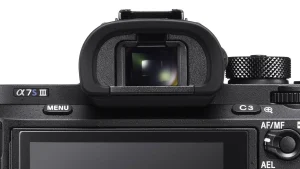
    Raw EVF megapixels, compared across cameras with different sensor sizes, tells you almost nothing useful about viewfinder quality. Linear resolution ratio is the correct metric: on that measure the OM-1’s 5.76MP EVF on its 20MP sensor achieves 54%, the second-highest in a comparison of eleven cameras, while the Sony A7CR’s 9.44MP EVF paired with its 61MP sensor achieves just 20%.

  • Did YouTube damage the camera industry?

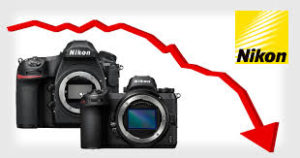
    The major YouTube camera channels are run by video producers, not photographers — their professional requirement is for sophisticated video features, and their advertising income depends on covering new products. Camera manufacturers responded to this increasingly important marketing channel by investing heavily in video capability for an audience that was actually shooting video on smartphones, and the R&D cost of those features was poured into a market contracting by 85%.

  • The decline of the professional photographer

    Stock photo royalties fell from an average of $280 per image in 2006 to approximately $4 by 2017 — a collapse that made stock photography commercially unviable for all but the highest-volume contributors. The rise of smartphones, affordable digital system cameras, and image-sharing platforms has eliminated the barriers to entry that once protected professional photographers, leaving only the highest-stakes genres like weddings and sports where the cost of amateur failure still creates a viable market.

  • The trials of being a Camera manufacturer

    System camera sales fell from 121 million units at peak in 2010 to 15 million by 2019, and Sony’s dominance of OEM sensor manufacturing means competitors must fund sensor R&D using camera revenues that are a fraction of what Sony earns from automotive, security, and smartphone sensors. Canon is the only remaining manufacturer producing its own high-end sensors; Olympus sold its camera division in 2020 rather than continue funding sensor development against that competition.

  • How Sony became the Kodak of the 21st century

    Kodak invented the digital sensor in 1975 and then lost its entire marketplace to digital competitors over the following 35 years; Sony invested in CMOS sensor technology from 1996 and now supplies the sensors used in cameras from Nikon, Fuji, Panasonic, and others, holding approximately 50% of the global image sensor market across all applications. The parallel with Kodak is exact: Sony’s sensors are the indispensable component for the camera industry in the same way Kodak’s film once was.