EVF resolution – the missing metric
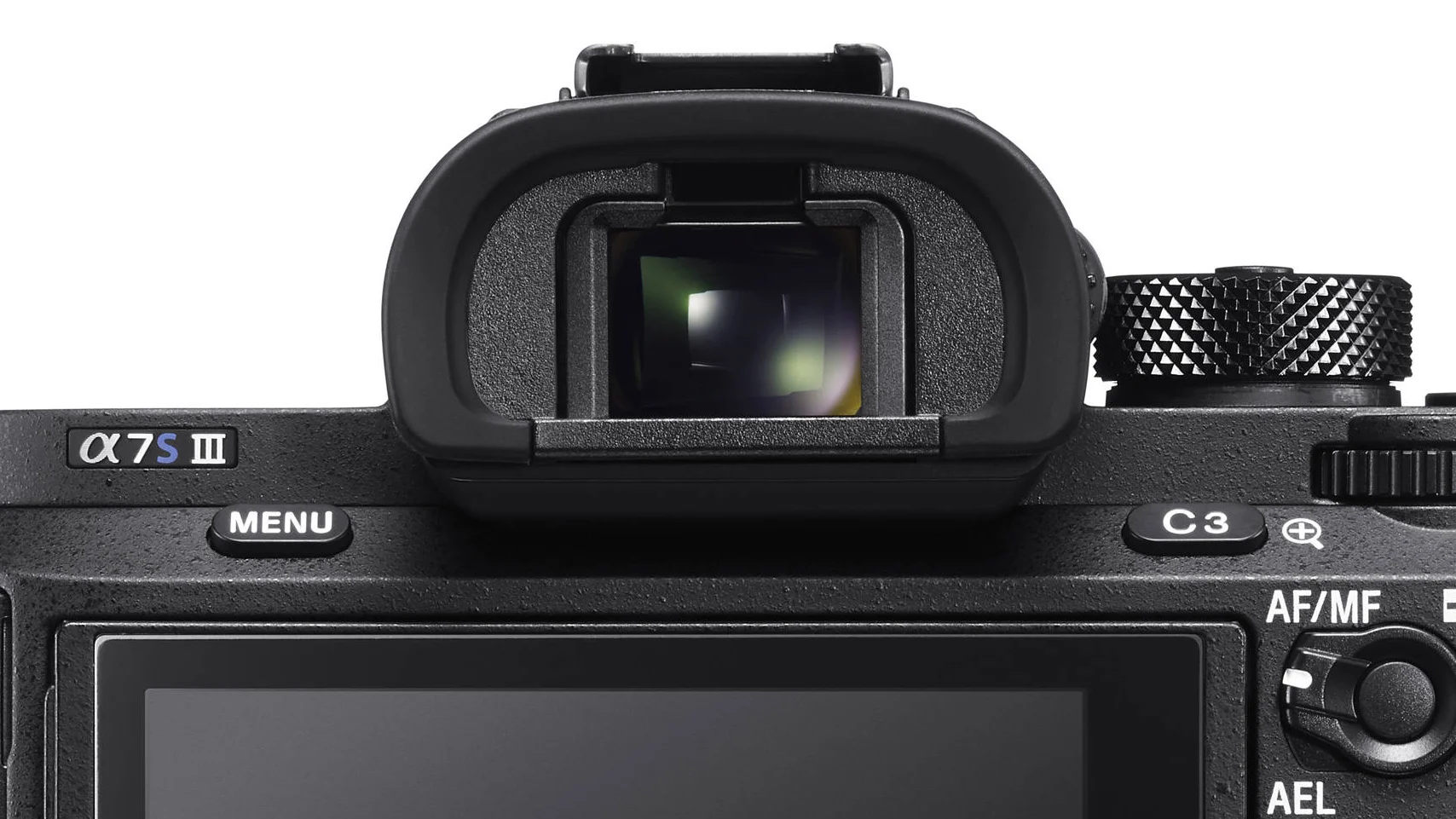
Every review of every camera includes a specification for the electronic viewfinder — stated in megapixels, just like the sensor. And almost every review that mentions the OM System cameras notes, often critically, that the OM-3 and OM-5 have a 2.36MP EVF while Sony offers 9.44MP in its top bodies. The implication is that OM System is behind. In my opinion, and in the view of anyone who has thought carefully about what an EVF actually does, this comparison is meaningless. The correct metric is not EVF resolution in isolation — it is the ratio of EVF resolution to sensor resolution. And on that measure, the picture looks very different.
If you would rather head straight to a concise summary, the TL;DR is at the foot of the page — or jump directly to the FAQ.
What does an EVF actually show you?
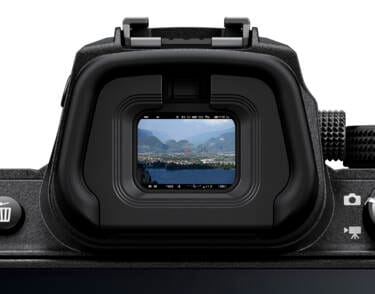
The electronic viewfinder in a mirrorless camera is not a window. It is a small display screen showing you a live feed from the sensor. This is an important distinction. When you look through an EVF, you are not resolving detail from the scene in front of you — you are resolving detail from the sensor’s output. The maximum detail visible through the EVF is therefore capped by the sensor resolution, regardless of how many megapixels the EVF panel itself contains. A 9.44MP EVF paired with a 61MP sensor is not showing you 9.44MP of real-world detail — it is showing you 9.44MP of a 61MP sensor feed, which means a great deal of the sensor’s detail is simply not visible in the viewfinder at all.
This leads directly to the metric that actually matters: not EVF resolution in megapixels, but the ratio of EVF resolution to sensor resolution. The higher the ratio, the more faithfully the viewfinder represents what the sensor is capturing — and therefore the more accurately a photographer can judge focus, composition, and exposure in the field.
Why linear ratio, not megapixel ratio?
Megapixels are an area measurement — they count the total number of pixels on a sensor or display panel. But the eye resolves linear detail, not area. A sensor with 4x the megapixels of another has only 2x the linear resolution in each dimension, because resolution scales with the square root of pixel count. To compare EVF and sensor resolution in the way the eye actually experiences it, the correct approach is to take the square root of both figures and express the result as a percentage. This gives the linear resolution ratio, which is what the table below shows.
The table
| Brand | Camera | EVF (MP) | Sensor (MP) | Linear ratio |
|---|---|---|---|---|
| Sony | A7CR | 2.36 | 61 | 20% |
| Sony | A7CII | 2.36 | 34 | 26% |
| Nikon | Z7ii | 3.70 | 46 | 28% |
| Fuji | X100VI/XT5 | 3.69 | 40 | 30% |
| Sony | A7IV | 3.67 | 33 | 33% |
| OM System | OM-3/OM-5 | 2.36 | 20 | 34% |
| Canon | R5 | 5.76 | 45 | 36% |
| Sony | A7R5 | 9.44 | 60 | 40% |
| Sony | A1 II | 9.44 | 50 | 43% |
| OM System | OM-1 | 5.76 | 20 | 54% |
| Sony | A9III | 9.44 | 24.6 | 62% |
Linear ratio = ?EVF (MP) ÷ ?Sensor (MP) × 100, rounded to nearest percent.
What the table shows
The results are striking. The Sony A7CR — which received an 88% silver award from DPReview and is widely regarded as a serious camera — has a linear EVF-to-sensor ratio of just 20%. That means its viewfinder is resolving less than a fifth of the sensor’s linear detail. By contrast, the OM-1, with its 5.76MP EVF paired with a 20MP sensor, achieves 54% — nearly three times the A7CR’s figure. The OM-3 and OM-5, despite their more modest 2.36MP EVF, sit comfortably in the middle of the table at 34%, ahead of nearly every Sony camera with a large sensor.
The most interesting outlier is the Sony A9III, which tops the table at 62%. This is not a surprise once you understand the metric — the A9III pairs Sony’s 9.44MP EVF with a relatively modest 24.6MP sensor, giving an excellent ratio. Sony has effectively done for the A9III what OM System has done for the OM-1: matched the EVF resolution appropriately to the sensor. It is the Sony cameras with very high resolution sensors — the A7CR, A7CII, A7R5 — that are genuinely underserved by their viewfinders on this measure.
Is there a minimum threshold?
The obvious question is: what linear ratio is actually sufficient for a photographer to judge focus, composition and exposure accurately? I do not know of any published research that establishes a precise threshold, and I would be cautious about claiming one. What I can say from three years of shooting with the OM-1 is that its EVF is outstanding — I have never found myself wishing for more viewfinder resolution in the field. At 54%, the OM-1 appears to be well above any practical threshold, as are the OM-3/OM-5 at 34%.
Conclusion
The next time you read a camera review that criticises the OM-3’s 2.36MP EVF by comparing it to Sony’s 9.44MP units, apply the linear ratio test. A 9.44MP EVF on a 61MP sensor is resolving 20% of the sensor’s linear detail. A 2.36MP EVF on a 20MP sensor is resolving 34%. The OM-3’s viewfinder is, by any meaningful measure, the better match for its sensor. Raw EVF megapixels, compared across cameras with different sensor sizes, is not a valid metric. The missing metric is the ratio — and on that measure, OM System has very little to apologise for.
TL;DR
- An EVF does not show you the outside world — it shows you the sensor. The only meaningful measure of EVF quality is therefore the ratio of EVF resolution to sensor resolution, not EVF resolution in isolation.
- Using linear resolution ratio (the square root of both figures, which is what the eye resolves), the OM-1 ranks second in this table at 54% and the OM-3/OM-5 sit in the middle of the field at 34% — well ahead of nearly every Sony camera with a large sensor.
- The Sony A7CR, which has a 2.36MP EVF paired with a 61MP sensor, has the worst linear ratio in the table at 20% — less than a third of the OM-1’s figure.
- The Sony A9III, with its relatively modest 24.6MP sensor paired with a 9.44MP EVF, tops the table at 62% — a finding that vindicates the metric rather than undermining it.
- The conventional comparison of raw EVF megapixels across cameras with different sensor sizes is not a valid measure of viewfinder quality.
Frequently asked questions
Why does EVF resolution matter at all?
The EVF is your primary tool for judging focus accuracy, composition, and exposure in the field. A viewfinder that resolves too little of the sensor’s output may cause you to miss critical focus or misjudge fine detail — particularly relevant when shooting with long telephoto lenses or in low light where precise focus judgement is essential.
Why use linear ratio rather than megapixel ratio?
Megapixels measure area, but the eye resolves linear detail. A sensor with 4x the megapixels has only 2x the linear resolution in each dimension. Comparing EVF and sensor resolution in megapixels therefore overstates the difference. The linear ratio — calculated using the square root of both figures — is the correct metric for understanding what a photographer actually sees through the viewfinder.
Does this mean the Sony A9III has the best EVF of any camera in the table?
On this specific metric, yes — the A9III’s 9.44MP EVF paired with its 24.6MP sensor gives the highest linear ratio in the table at 62%. This is not a criticism of Sony; it reflects the fact that the A9III was designed as an action and sports camera where a fast, high-resolution viewfinder genuinely matters, and Sony matched the EVF to the sensor accordingly. The same logic applies to the OM-1.
Is the OM-3’s EVF good enough for serious work?
In my experience, yes. The OM-3’s 34% linear ratio puts it comfortably ahead of several well-regarded full-frame cameras, and in practical shooting it is entirely adequate for judging focus and composition. The OM-1’s viewfinder is noticeably better — as the numbers predict — but the OM-3 is not compromised in any meaningful way for the genres it is designed for.
Should camera manufacturers publish the linear EVF ratio as a specification?
Imho, yes — or at least the photography press should calculate and publish it routinely. Raw EVF megapixels, presented without reference to sensor resolution, is a figure that actively misleads buyers. A standardised ratio would make comparisons meaningful and would likely benefit OM System cameras considerably, given how well they perform on this measure.
Related Posts