The decline of the professional photographer
In the 20th century, when film was king and digital had not yet arrived, printed magazines such as Time, Newsweek, National Geographic, and the Sunday glossies were the primary means…
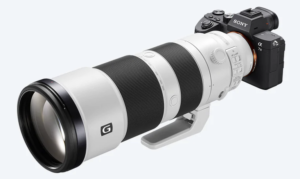
Two powerful trends are currently turning the established camera manufacturers inside out and upside down. These unique business conditions are creating a challenge for almost every manufacturer, and it is…
In the 20th century, the giant of photography was Kodak. In 1976, Kodak sold 90 percent of the photographic film in the US and 85 percent of the cameras; 10…
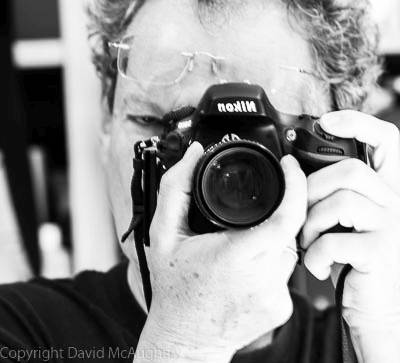
Why have a camera as opposed to a smartphone? For most people, including me, the vast majority of photographs are taken with a smartphone. That includes just about every photograph…
More shots, this time in October 2020.
Richmond Park, in the London Borough of Richmond upon Thames, was created by Charles I in the 17th century as a deer park. The largest of London’s Royal Parks, it is of national and international importance for wildlife conservation. The park is a national nature reserve, a Site of Special Scientific Interest and a Special Area of Conservation and is included, at Grade I, on Historic England’s Register of Historic Parks and Gardens of special historic interest in England. Its landscapes have inspired many famous artists and it has been a location for several films and TV series (credit – Wikepedia). The Pen Ponds are in the centre of the park and are a safe-ish haven for ducks, geese, swans, gulls and migratory birds. Only safe-ish because of the oafish behaviour of dog owners and the drunken hooligans of south London.
Touch or click any image to go to a lightbox view and then touch the full screen icon in the top right hand corner to get the best viewing experience. And for information on the shot and the location, be sure to click the little ‘i’ icon
Taken at the excellent Hawk Conservancy Trust, in Andover, Hampshire, UK. The trust both fulfils a conservancy role for birds of prey, particularly vultures, and has an education mandate with superb narrated flying displays three times per day. I use this location as a testing ground for comparing camera systems as there is a repeatable and reliable array of different flying types to test camera systems against. Along the way, I’ve ended up with quite a few shots of these Kites, doing what they like best.
Touch or click any image to go to a lightbox view and then touch the full screen icon in the top right hand corner to get the best viewing experience. And for information on the shot and the location, be sure to click the little ‘i’ icon
Richmond Park, in the London Borough of Richmond upon Thames, was created by Charles I in the 17th century as a deer park. The largest of London’s Royal Parks, it is of national and international importance for wildlife conservation. The park is a national nature reserve, a Site of Special Scientific Interest and a Special Area of Conservation and is included, at Grade I, on Historic England’s Register of Historic Parks and Gardens of special historic interest in England. Its landscapes have inspired many famous artists and it has been a location for several films and TV series (credit – Wikepedia). The Pen Ponds are in the centre of the park and are a safe-ish haven for ducks, geese, swans, gulls and migratory birds. Only safe-ish because of the oafish behaviour of dog owners and the drunken hooligans of south London.
Touch or click any image to go to a lightbox view and then touch the full screen icon in the top right hand corner to get the best viewing experience. And for information on the shot and the location, be sure to click the little ‘i’ icon
Part of the show at the excellent Hawk Conservancy Trust, in Andover, Hampshire, UK is flying these superfast falcons. The Lanner can exceed 100mph, and is a determined little bugger as you can see from it’s face. The Kestrel is not as fast, but much prettier imho, and conveniently hovers before diving. Getting a finger on any of them is a real photographic challenge as they are really small, really fast, and usually really far away. These are some of my best shots, and I’ll keep on trying.
Touch or click any image to go to a lightbox view and then touch the full screen icon in the top right hand corner to get the best viewing experience. And for information on the shot and the location, be sure to click the little ‘i’ icon