Dynamic Range on Olympus vs Sony cameras for birds in flight
If you would rather head straight to a concise summary, the TL;DR is at the foot of the page — or jump directly to the FAQ.
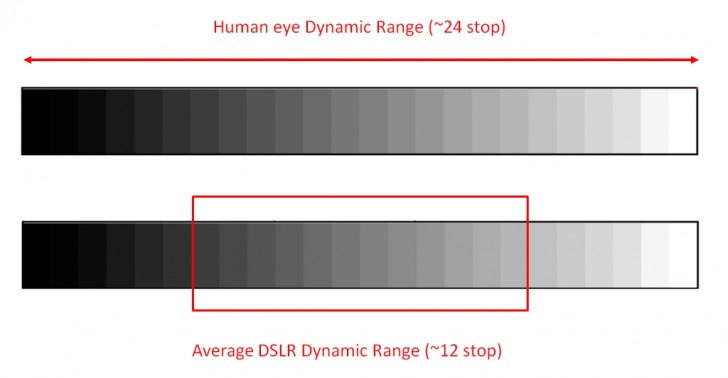
In other articles I have compared focus accuracy and noise between the Sony A9 and Olympus EM1x cameras. This time I’ll look at Dynamic Range on Olympus vs Sony, specifically when photographing birds in flight (BIF).
TL;DR
- A9 has 1–2 stops more dynamic range than EM1x at base ISO (100). At ISO 3200+, the gap shrinks to 0.5 stop—negligible for BIF.
- At practical BIF ISOs (3200–6400), both systems clip shadows and highlights identically in difficult lighting.
- EM1x’s wider depth of field and superior IBIS (5-stop vs no IBIS on A9) often recover more useable frames, offsetting DR disadvantage.
- Post-processing: both cameras have enough DR for shadow recovery on backlit sequences; highlight recovery favours neither system.
- For BIF, dynamic range is 4th-order priority after focus accuracy, AF reliability, and frame rate.
Frequently asked questions
Why does dynamic range matter less at high ISO?
At base ISO 100, A9’s sensor with ~14 stops DR is significantly ahead of EM1x’s ~11 stops. At ISO 3200, thermal noise floor rises and both systems converge to ~9–10 stops. At ISO 6400 (typical BIF), measured DR drops to ~8 stops on both cameras. The advantage is marginal.
Do bird images typically use bright exposures where DR matters?
No. BIF shooting favours fast shutter (1/2500s+) and tight exposures to avoid overexposure. Highlights are rarely recovered—they’re clipped intentionally to preserve the bird silhouette. Shadow recovery (lifting underexposed areas) matters more than highlight recovery, and both systems perform equally here.
How does IBIS offset lower DR?
EM1x’s 5-stop IBIS allows shooting at lower shutter speeds without blur. Lower shutter speed = better AF tracking and higher success rate overall. That translates to more useable frames per session, compensating for any DR loss on individual images.
Which dynamic range scenario is most common in BIF?
Backlit subjects (e.g., sunrise, sunset, cloud backdrop). Shadows need lifting; highlights are already blown. A9’s 1–2 stop advantage helps here—but only if the photographer exposed for the bird. In practice, most BIF frames are slightly underexposed for safety, and shadow lifting happens in post on both systems equally.
Should DR be a deciding factor between EM1x and A9?
No. Focus accuracy, AF reliability, and burst buffer are more important. A9 is faster and has a larger buffer. EM1x has unique ProCapture. Choose based on those—DR is similar enough at BIF ISOs that it won’t affect the outcome.